Tokyo Station seriesPart of my Tokyo Station Yaesu Guide — choose the right exit, check whether a place is inside or outside the JR gates, and plan time before trains or buses.
I visited Ramen Kaminari Tokyo Honmaru inside Tokyo Station’s JR gates to try its Jiro-style ramen and document the ordering process. I bought my meal ticket, found the end of the queue, answered the topping questions, and ordered a 300g bowl with pork belly and a little extra vegetables. For me, the most useful part to explain is not just where the restaurant is, but what happens between the ticket machine and the moment the bowl reaches the counter.
Jiro-style ramen (Jiro-kei ramen / 二郎系ラーメン) combines thick noodles, rich pork broth, a mountain of vegetables, enormous slices of pork, and plenty of garlic. It is one of Japan's most intense ramen experiences, and the ordering culture can feel just as intimidating as the bowl.
You need to enter Tokyo Station's paid JR area to visit. If you are not taking a JR train, ask station staff which ticket you need to enter and exit the paid area.
1. Why start at Ramen Kaminari?
I recommend Ramen Kaminari Tokyo Honmaru (ラーメン雷 東京本丸店) as an accessible introduction to Jiro-inspired ramen, especially if this is your first bowl in Japan. It is operated by the group behind Chuka Soba Tomita and is conveniently located in the atrium area on the first floor of Gransta Tokyo.
You do not need to travel to a residential neighborhood or search for a tiny shop down a side street. If you are traveling from Tokyo to Kyoto, Osaka, Nagano, Sendai, or another destination, you may already be passing through Tokyo Station.
Open from 8:00 in the morning
Gransta currently lists 8:00–22:00 Monday through Saturday and 8:00–21:00 on Sundays and public holidays. Hours may change during holiday periods, so check the official listing before your visit.
2. Map and store photos
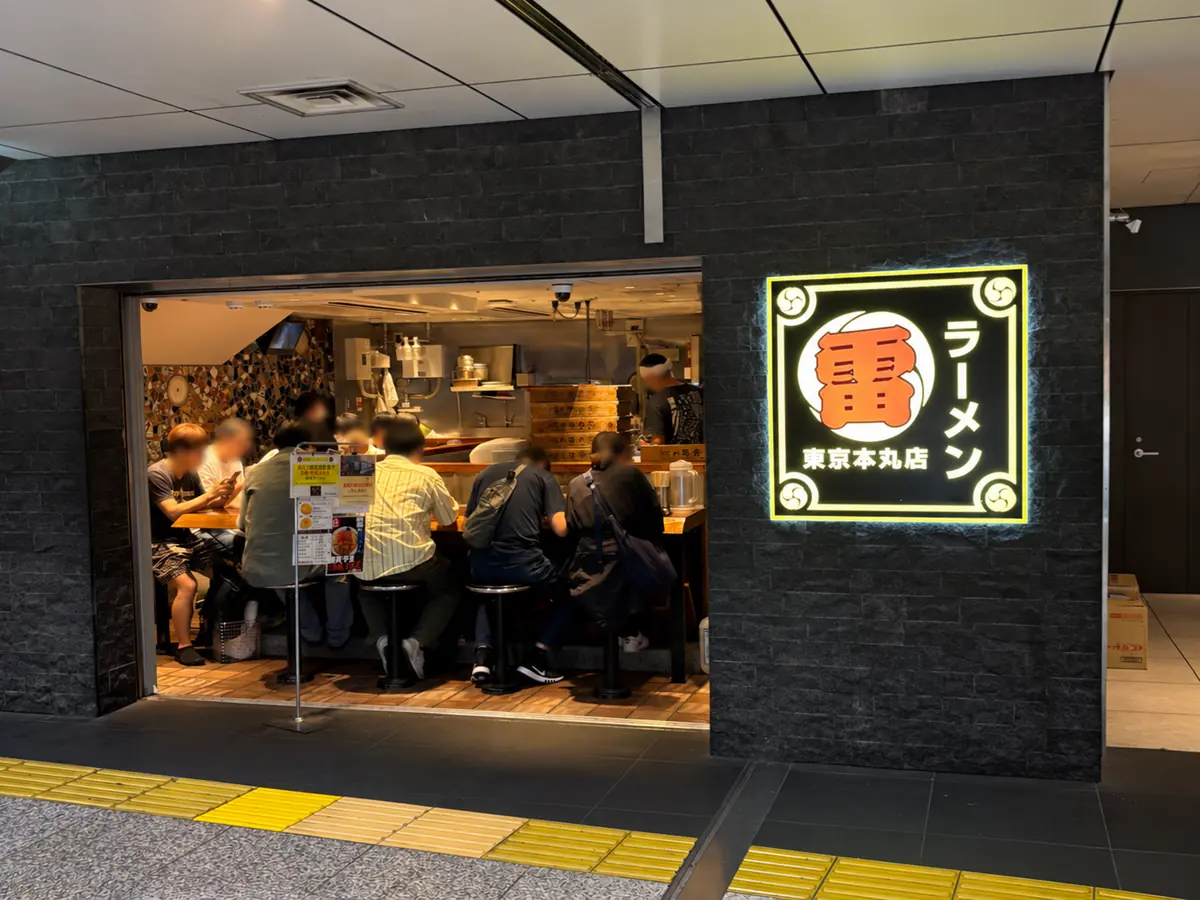
Ramen Kaminari Tokyo Honmaru is on the first floor of Gransta Tokyo, inside the JR ticket gates. Use the live Google map below to check the place card, recent visitor photos, and walking directions before you go.
1-9-1 Marunouchi, Chiyoda City, Tokyo 100-0005
Photo note: I took the ramen, storefront, and queue photographs during my visit and compressed them for faster loading. Google Maps and official Gransta photos remain on their original pages so their attribution stays attached.
3. What is Jiro-style ramen?
Jiro-style ramen is known for being big, heavy, and extremely filling. A typical bowl includes:
- Thick, chewy noodles
- Rich pork-based soup
- A large amount of bean sprouts and cabbage
- Thick pieces of pork
- Garlic and pork fat
The portions can be much larger than regular Japanese ramen. If this is your first Jiro-style experience, do not automatically order the biggest size. Start small. You can always try a larger bowl next time.
4. Before you go
| Official location | Gransta Tokyo 1F, atrium area, inside the JR ticket gates |
|---|---|
| Seats | 11 counter seats |
| Payment listed | Cash, electronic money, and Suica |
| Reservations | Not needed; join the queue |
| My first-order advice | A smaller bowl with your preferred pork and garlic level |
Menus, prices, topping rules, and the exact queue procedure can change. Read the ticket machine and signs when you arrive, and follow staff instructions if they differ from this guide.
5. How to order: buy a meal ticket first
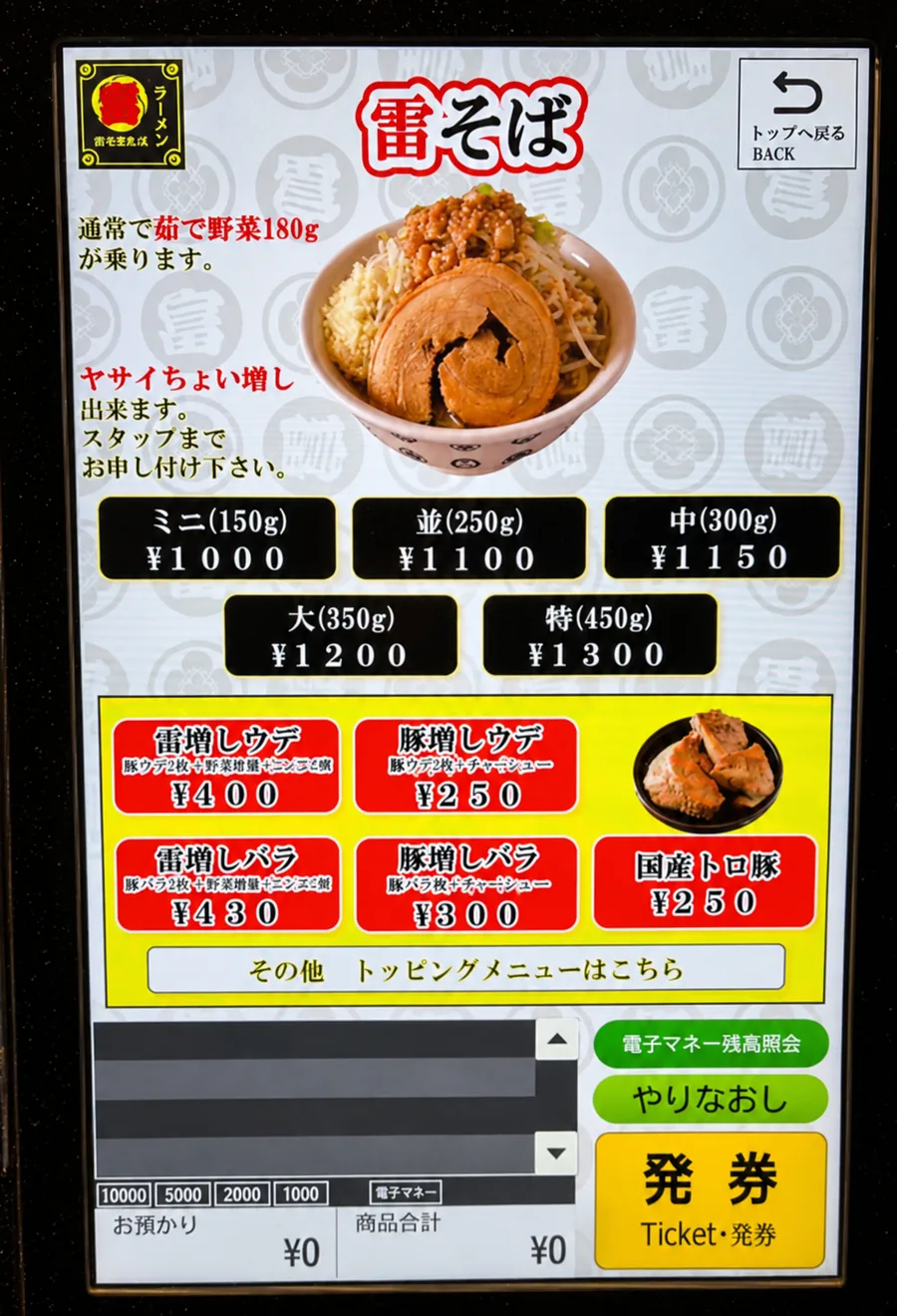
The first thing I did was buy a meal ticket at the vending machine. I purchased it before joining the queue and kept every ticket the machine gave me.
- 1Always buy your meal ticket first
Before joining the queue, use the ticket vending machine to choose your ramen and purchase a meal ticket (shokken / 食券). Keep every ticket the machine gives you. Follow current signs or staff instructions if the procedure changes.
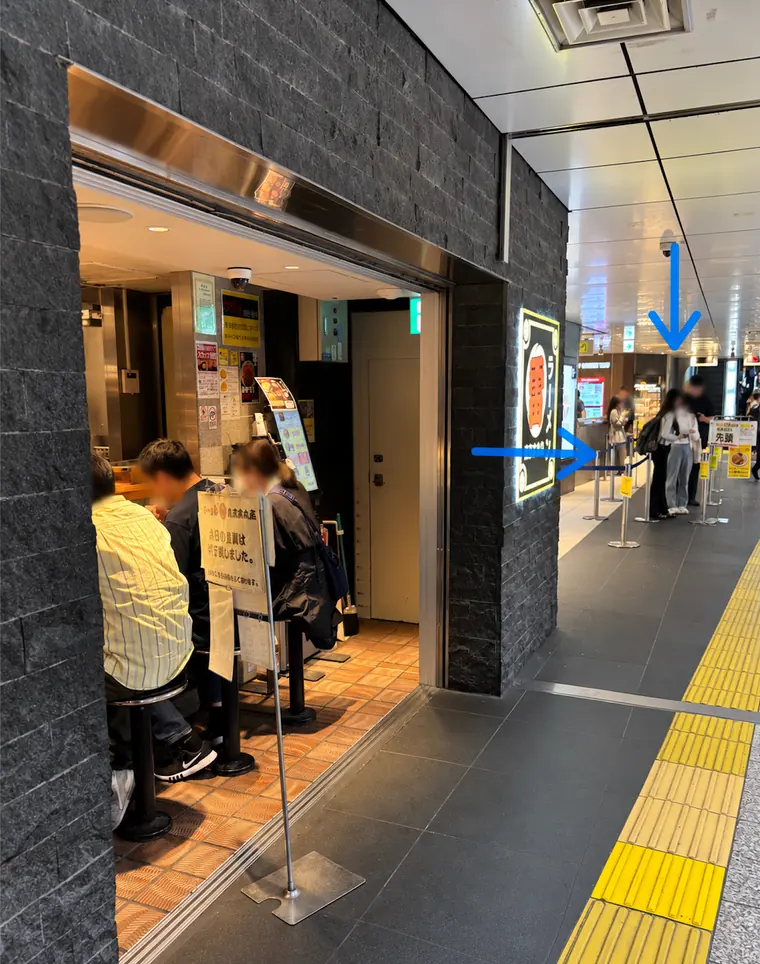
- 2Check outside the restaurant and join the end of the queue
The line forms in the station passage outside the shop rather than inside the small counter area. Look beyond the entrance, find the final person, and line up behind them. Expect a substantial wait around lunch and dinner.
- 3Wait for a staff member
A staff member will approach the line and check orders. Hand over or show your meal ticket when asked.
- 4Answer the topping questions
You may be asked about garlic and your preferred cut of pork. Short, simple Japanese answers are enough.
- 5Follow the line forward
Continue waiting after your order is checked. Staff will tell you when to enter and which counter seat to use.
- 6Sit down and wait for your ramen
Your order has already been sent to the kitchen. Water is available, and your bowl should arrive shortly.
6. What I actually ordered
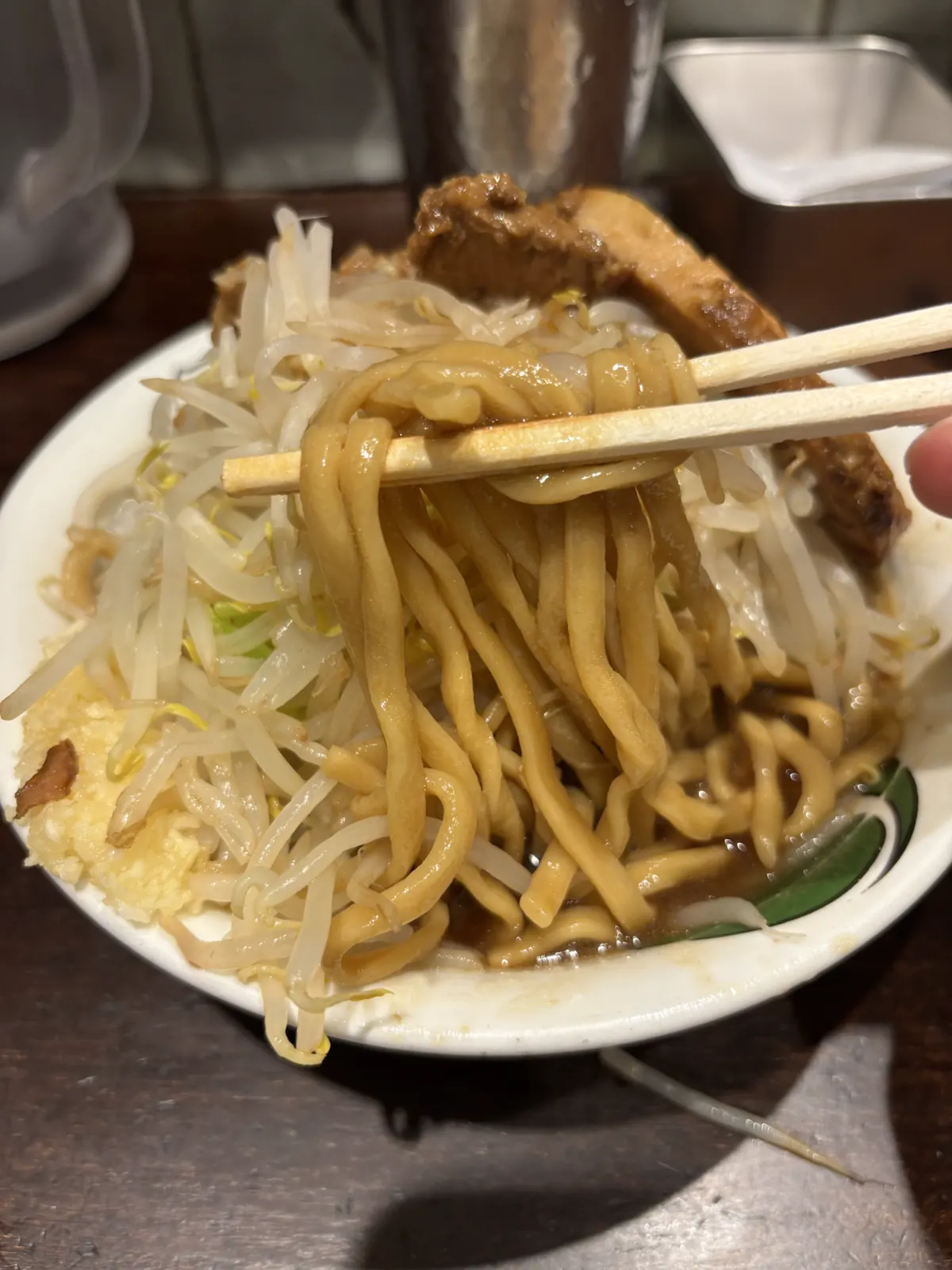
I ordered Kaminari Soba medium (雷そば 中, 300 g), with bara-niku (pork belly) and yasai choi-mashi (a little extra vegetables). I found the medium serving very filling already: my bowl arrived with a generous mound of bean sprouts, cabbage, garlic, and a thick slice of tender pork belly.
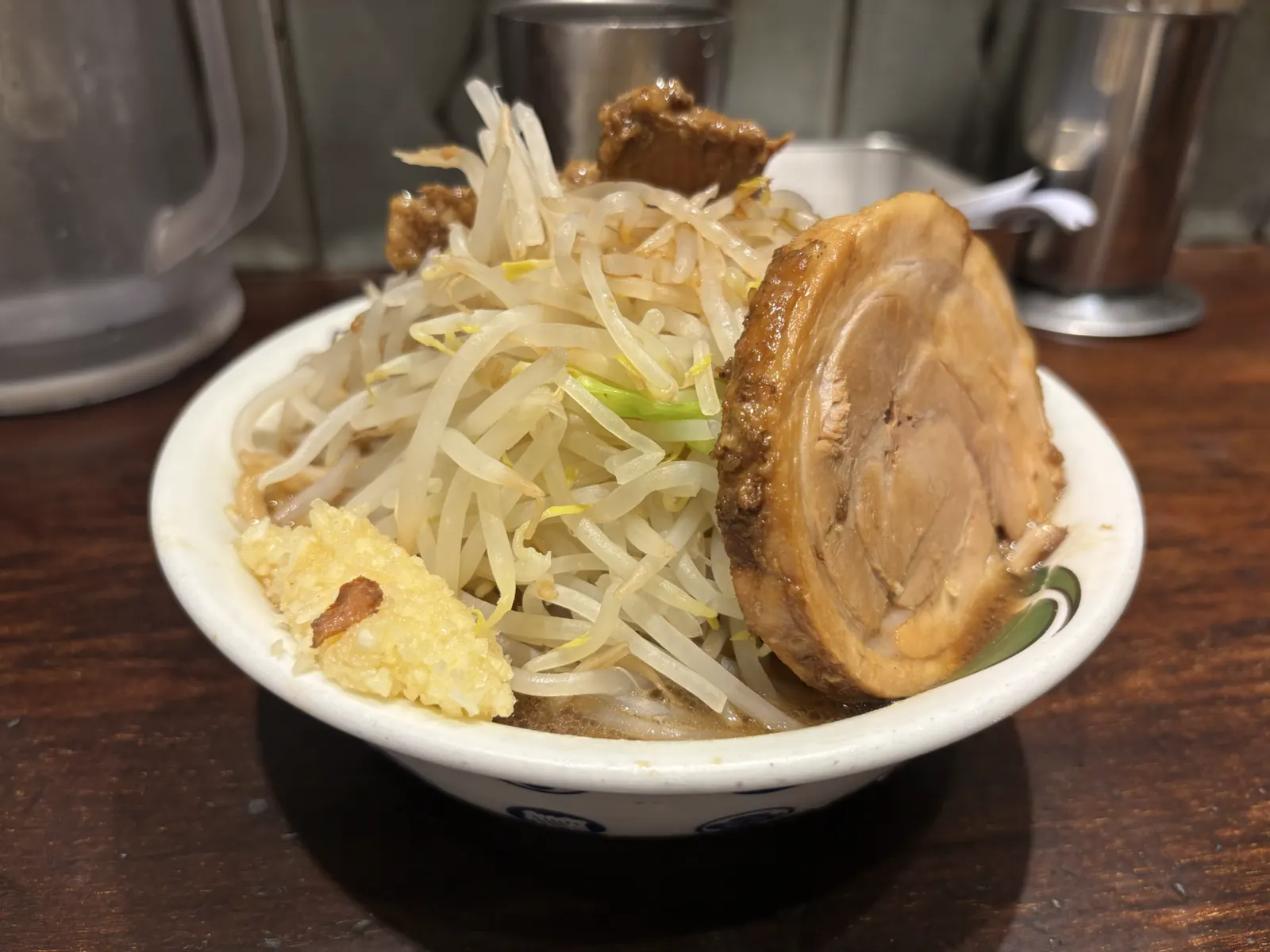
The noodles: extra thick and satisfyingly chewy
Under the vegetables, I found very thick, dense noodles with a firm, chewy bite. They picked up the rich pork-based soup well, and I mixed them with the vegetables as I ate.
7. The famous garlic question
A staff member may ask:
「ニンニク入れますか?」
Ninniku iremasu ka? — “Would you like garlic?”
If you want garlic, simply answer 「はい」 (Hai), meaning “Yes.” You can also say 「ニンニクお願いします」 (Ninniku onegaishimasu), meaning “Garlic, please.” Do not worry about perfect pronunciation; a short answer is enough.
8. Choose your pork: bara-niku or ude-niku
| Choice | Texture | Good for |
|---|---|---|
| バラ肉 Bara-niku | Pork belly; softer, fattier, and richer | First-timers who enjoy tender, juicy pork |
| 腕肉 Ude-niku | Pork shoulder/arm; leaner and firmer | Diners who prefer a meaty bite and less fat |
I chose bara-niku for the bowl shown in this guide and found it soft, rich, and beginner-friendly. If you are unsure, it is the option I would recommend first. You do not need a complete sentence—just say the Japanese name.
Want a little more vegetables?
You may hear diners say 「野菜チョイマシ」 (Yasai choi-mashi), meaning “a little extra vegetables.” Topping rules and prices can change, and extra vegetables may require a separate paid ticket. Check the machine and shop signs before asking.
9. Your Japanese cheat sheet
| Japanese | Pronunciation | Meaning |
|---|---|---|
| ニンニク入れますか? | Ninniku iremasu ka? | Would you like garlic? |
| はい | Hai | Yes |
| ニンニクお願いします | Ninniku onegaishimasu | Garlic, please |
| バラ肉 | Bara-niku | Pork belly; softer and fattier |
| 腕肉 | Ude-niku | Pork shoulder; firmer and meatier |
| 野菜チョイマシ | Yasai choi-mashi | A little extra vegetables |
| お水お願いします | Omizu onegaishimasu | Water, please |
10. My first-timer tips
- Do not order too much. Jiro-style portions are much larger than they look in photos.
- Buy your ticket before lining up. If local signage says otherwise, follow the signage.
- Do not panic when staff ask a question in Japanese. You usually only need one or two words.
- Choose bara-niku if you are unsure. It is softer, fattier, and beginner-friendly.
- Garlic is powerful. If you have close-up plans afterward, consider yourself warned.
- You have already paid. When finished, follow the counter instructions for your bowl and leave without waiting for a bill.
I do not think the goal is to conquer the largest bowl. I recommend ordering an amount you can enjoy and finish comfortably.
11. The complete quick guide
- 1Enter the JR ticket-gate area at Tokyo Station.
- 2Find Ramen Kaminari Tokyo Honmaru in Gransta Tokyo 1F.
- 3Buy your meal ticket before joining the queue.
- 4Give the ticket to staff and answer the garlic and pork questions.
- 5Follow the line until staff direct you to a counter seat.
- 6Enjoy the bowl—and say “Itadakimasu!”
Final thoughts
For me, trying Jiro-style ramen was not just about eating noodles. The huge bowl, thick noodles, mountain of bean sprouts, garlic, pork, and unusual ordering system were all part of the experience. I recommend learning a few Japanese words, buying your ticket before joining the queue, and not ordering more noodles than you can handle. Ramen Kaminari’s Tokyo Station location made it a convenient place for me to take that first delicious step.
I checked the location, hours, seating, and payment details against the official Gransta Tokyo listing and the Chuka Soba Tomita group store guide. Restaurant procedures and menu options may change; follow the current signs and staff instructions during your visit.