There is no single best airport transfer for everyone. Choose based on your hotel area, arrival terminal, luggage, group size, and landing time. Haneda is closer to central Tokyo; Narita has excellent direct trains but is much farther from the city.
Match the transfer to your destination
Choose Keikyu for Shinagawa and Asakusa, the Tokyo Monorail for Hamamatsucho, Narita Express for Tokyo or Shinjuku, and Skyliner for Ueno or Nippori. An airport bus is often easiest when it stops at your hotel.
1. Decide before you land
Search the route to your exact hotel—not simply “Tokyo.” The city is large, and a fast airport train can become inconvenient if it leaves you with two difficult transfers. Check the final train or bus if your flight arrives in the evening.
2. From Haneda Airport
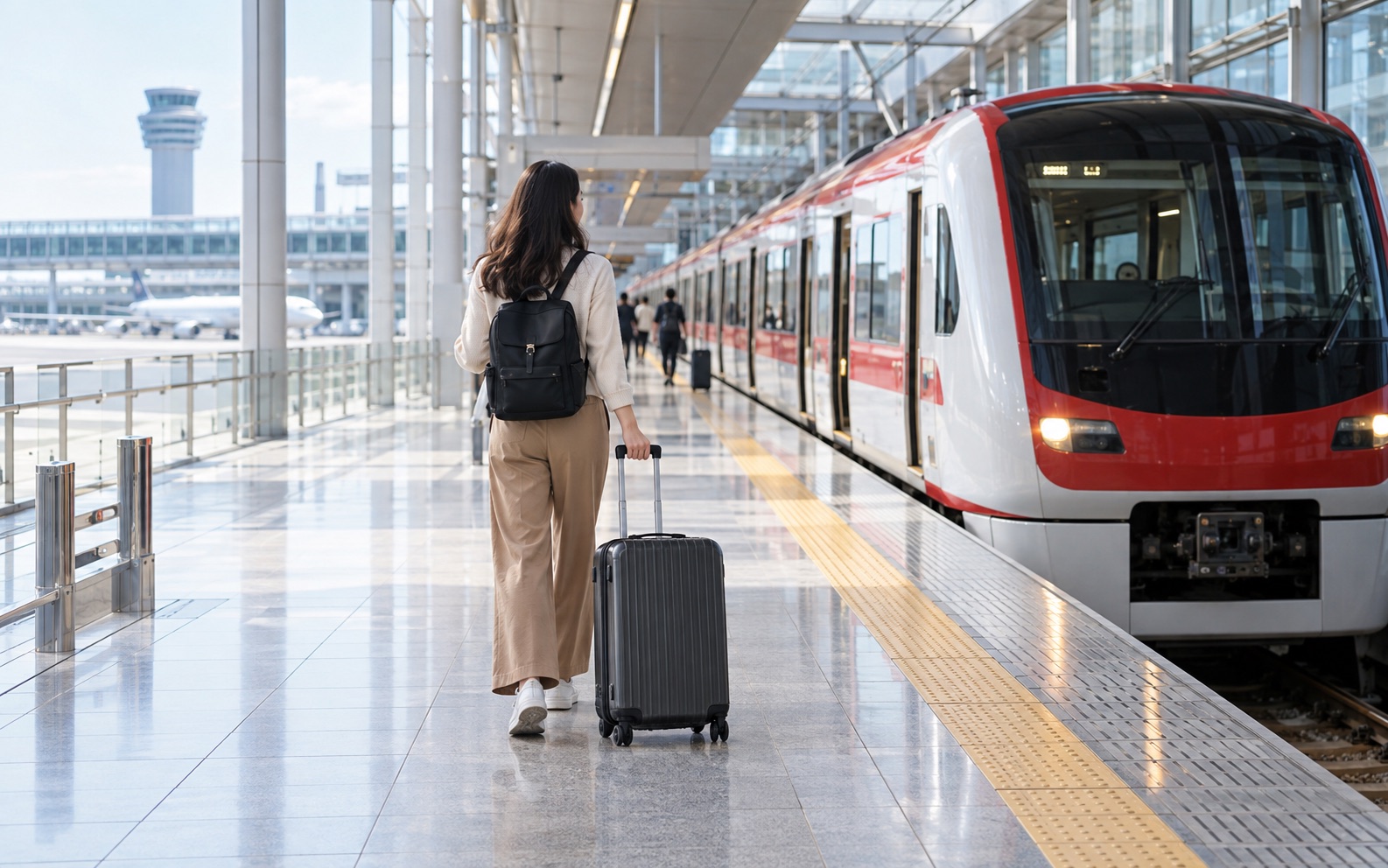
Haneda connects directly to the Keikyu Line and Tokyo Monorail. Keikyu is convenient for Shinagawa, where you can transfer to the JR Yamanote Line or Shinkansen. Some Keikyu services continue onto the Toei Asakusa Line toward Shinbashi, Asakusa, and beyond. The monorail runs to Hamamatsucho for connections to JR lines.
Haneda Airport’s official guide lists approximate rail times of about 15 minutes to Shinagawa, 20 minutes to Hamamatsucho, and 30 minutes to Tokyo Station. These are estimates; transfer and waiting time must be added.
3. From Narita Airport
The main direct rail options are the JR Narita Express and Keisei Skyliner. Narita Express serves Tokyo, Shinagawa, Shibuya, Shinjuku, Yokohama, and other major areas. Skyliner serves Nippori and Keisei Ueno, where you can connect to central Tokyo lines.
Lower-cost commuter services also operate, but they stop more often and may be less comfortable with large luggage. Airport limousine buses serve selected hotels and districts and can remove the need to navigate a large station.
4. Compare your options
| Option | Best for | Trade-off |
|---|---|---|
| Airport express train | Speed, reliability, reserved seats | You may still need a transfer. |
| Commuter train | Lower cost and some direct routes | Can be crowded and slower. |
| Airport bus | Large bags and hotel stops | Road traffic can affect arrival time. |
| Taxi or private car | Door-to-door travel and groups | Usually the most expensive choice. |
If the fastest train requires two transfers with luggage, compare it with a direct bus. Saving ten minutes is rarely worth carrying suitcases through a large station.
5. Late-night arrivals
Immigration, baggage claim, and customs can take longer than expected. Do not plan around the last train unless you have enough margin. Check the live timetable on your arrival date and identify a backup such as an airport hotel, bus, or taxi.
Airport transport schedules and last departures change. Use the official operator or airport website on the day you travel.
6. Traveling with luggage
- Keep passports, valuables, medicine, and one change of clothes with you.
- Use station elevators rather than carrying large bags on escalators.
- Check whether your bus requires a luggage tag and keep the claim ticket.
- Consider airport-to-hotel luggage delivery if your room is not available yet.
- Confirm your terminal: Narita Terminal 3 uses the Terminal 2・3 railway station.
7. Quick FAQ
Can I use Suica or PASMO from the airport?
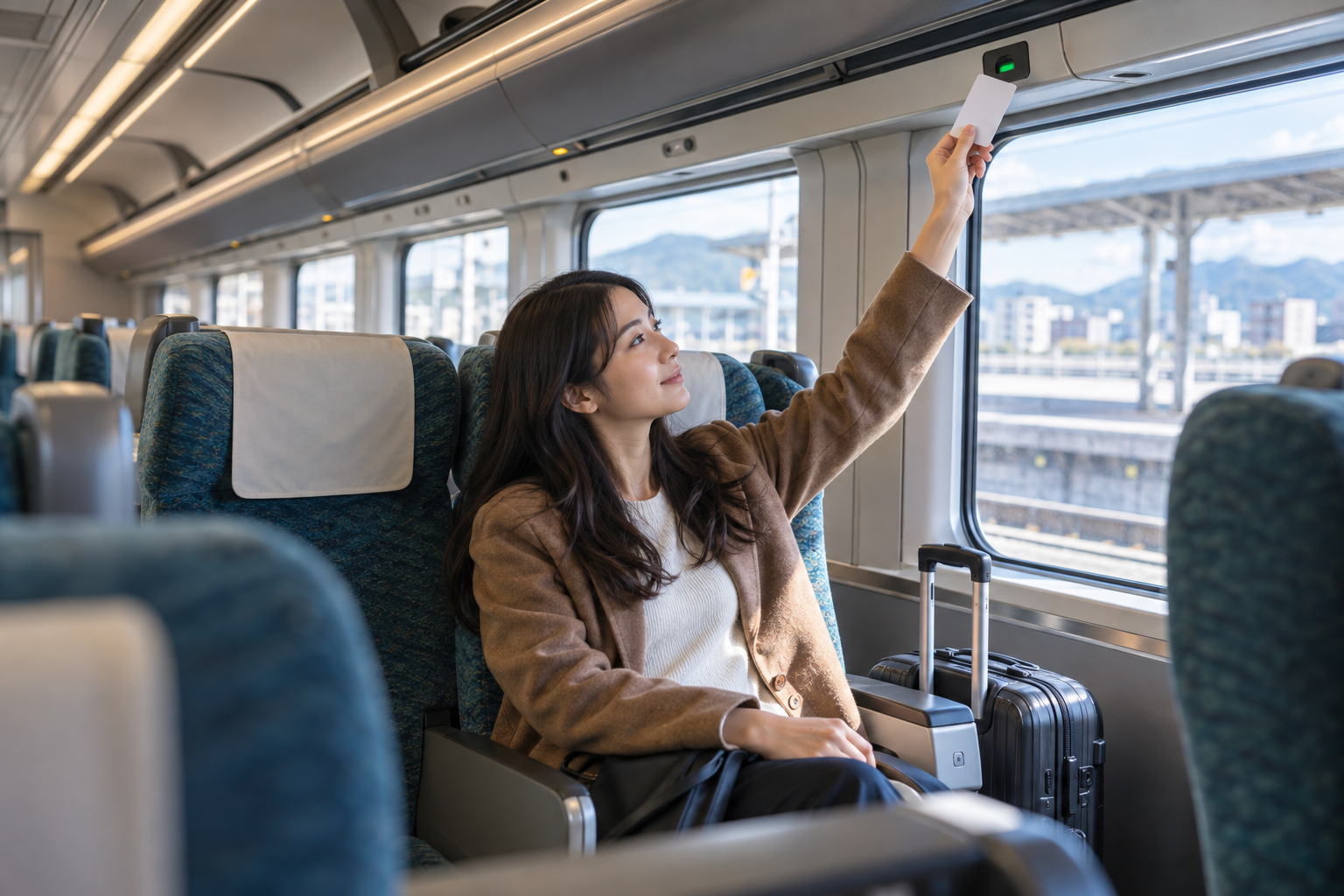
Yes on many ordinary rail services. Reserved airport express trains may require an additional ticket or reservation.
Should I reserve an airport train?
Reserve when the service requires it, when traveling during a busy period, or when you want guaranteed seats together.
Is a taxi reasonable for a group?
From Haneda, sharing can be practical depending on your destination and arrival time. From Narita, the long distance usually makes it substantially more expensive.
Routes were checked against the official Haneda Airport access guide and Narita Airport rail guide. Confirm current fares, platforms, and timetables with the operator before departure.